Research across scales.

We connect microscopic structure to mechanical, electronic and electrochemical function through computation, theory and targeted experiments.

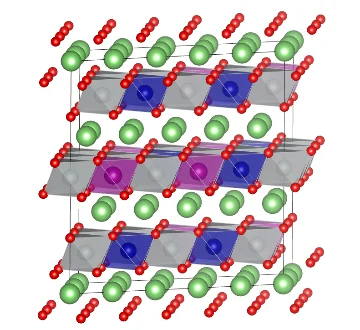
Layered crystal structure used in computational materials research
Atomic structure is the common language across our materials programmes.
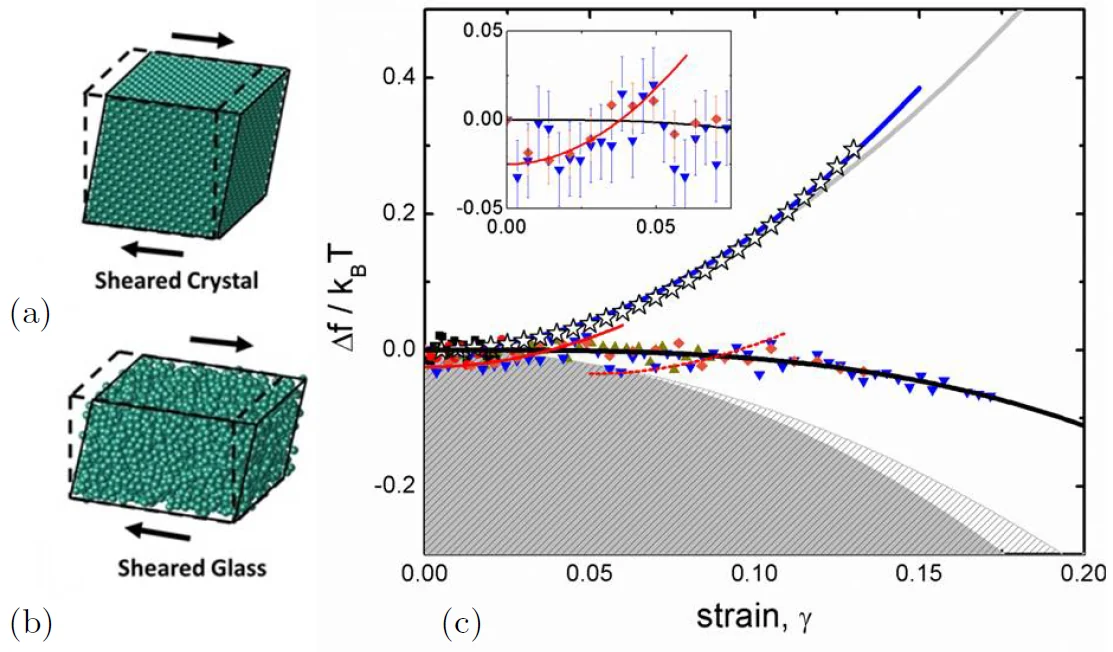
Plots comparing mechanical response and structural change in sheared colloidal systems

Colloidal glasses and gels.

We study non-equilibrium transitions in soft condensed matter. Experiments, scattering, rheology and molecular dynamics help disentangle affine deformation, non-affine rearrangement and dissipation.

  • Yielding, shear banding and mechanical failure
  • Free-energy landscapes under deformation
  • Critical Casimir forces and colloidal self-assembly
  • Microscopic cage breaking and structural transitions
Featured paper
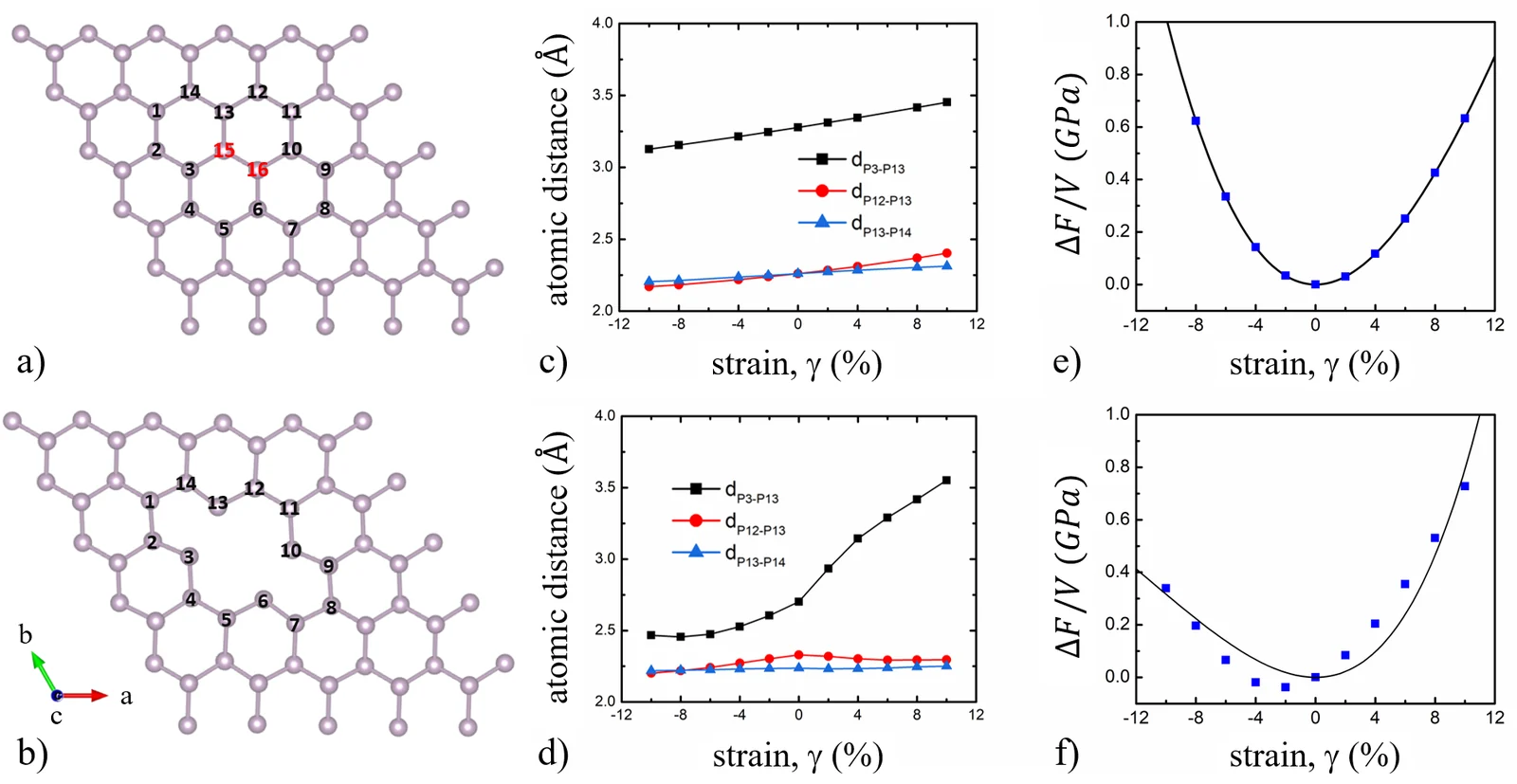
First-principles calculations of structures and electronic responses in nanoribbons

Low-dimensional materials.

First-principles calculations reveal how geometry, defects, strain, fields and chemical modification tune electronic, optical and transport properties in nanoscale materials.

  • Graphene, phosphorene and transition-metal dichalcogenides
  • Quantum dots, nanoribbons and van der Waals systems
  • Excitonic and optoelectronic response
  • Gas adsorption and nanoscale sensing
Featured paper

One question, multiple resolutions.

First-principles modelling

Density functional theory for electronic structure, adsorption, transport and optical response.

Molecular simulation

Particle-scale dynamics for colloidal transitions, mechanics and self-assembly.

Data-guided analysis

Neural-network and machine-learning models extend material screening and prediction.

Experiment and synthesis

Targeted fabrication and characterisation connect computational insight to working materials.

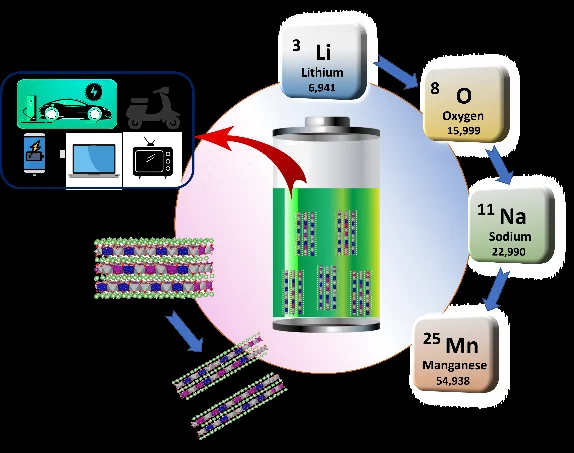
Battery platform illustration linking cathode materials to lithium-ion and sodium-ion cells

Energy storage and conversion.

We combine theory, materials synthesis and electrochemical thinking to improve cathodes, anodes and anchoring materials for lithium-ion, sodium-ion and metal-sulfur batteries.

  • Nickel-rich layered oxide cathodes
  • P2-type sodium-lithium-manganese oxides
  • MXene hosts for polysulfide control
  • Two-dimensional anodes and ion transport
Featured paper

Publication highlights.

A compact selection from the group leader's record of 61 peer-reviewed articles.